Why Roofing Materials Cost So Differently
Roofing materials vary in price more than almost any other home component, and the reasons are straightforward once you look at them. The cost of each material reflects the raw material itself, the labor and skill to install it, its weight and the structural demands that creates, and how long it lasts. Asphalt is inexpensive to make and install, while slate is heavy stone requiring specialized craftsmanship. For a Mellott homeowner, understanding why the prices differ so much, from material to labor to longevity, is the foundation for choosing a material that fits both the budget and the long term plan for the home.
The Affordable End: Asphalt
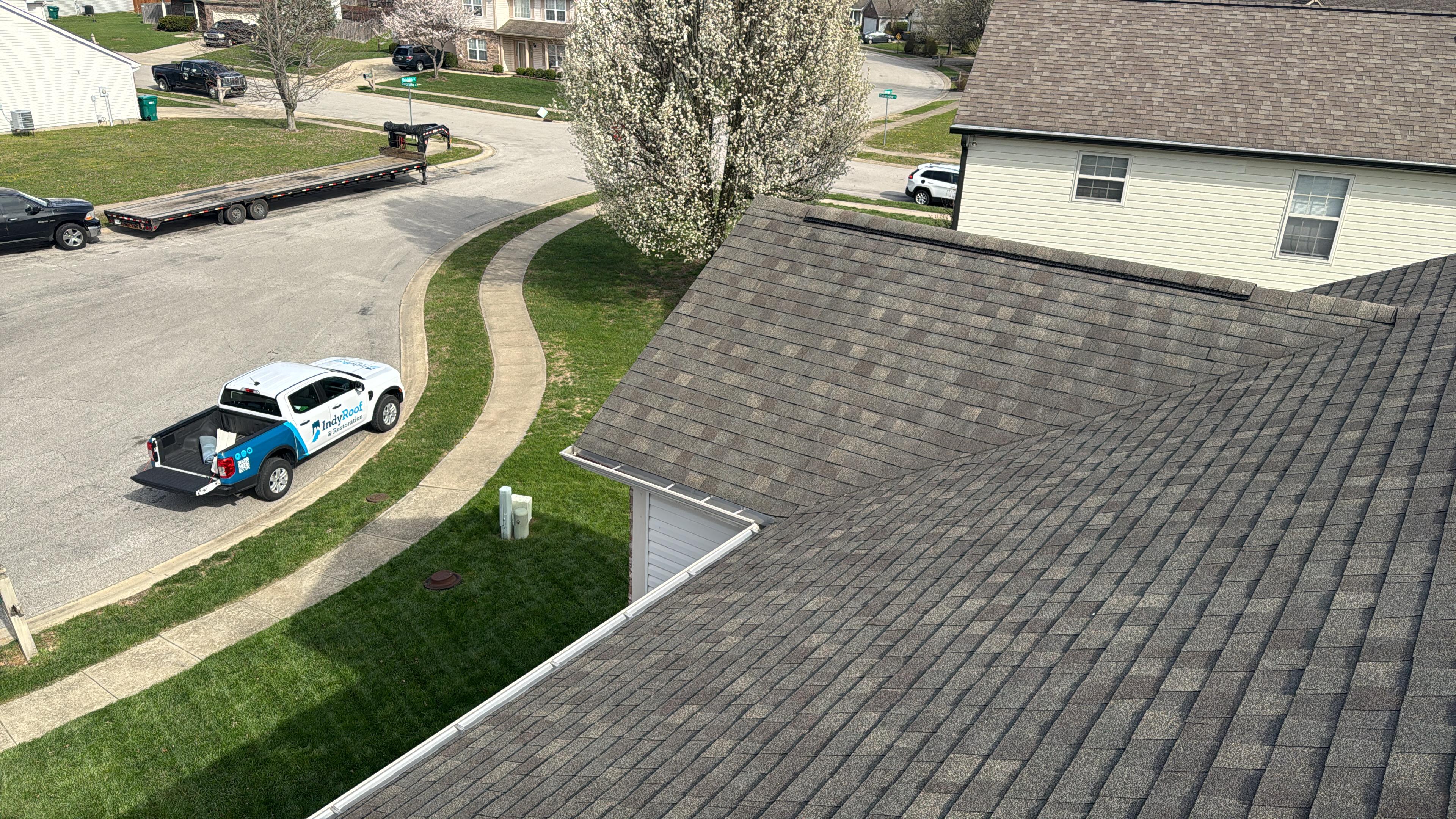
Asphalt anchors the affordable end of the spectrum, which is why it covers most homes. Three tab shingles are the cheapest, with architectural shingles a step up in cost, durability, and looks. Asphalt is inexpensive to manufacture and relatively quick to install, keeping both material and labor costs low. The tradeoff is a shorter lifespan than premium materials, typically fifteen to thirty years depending on the grade. For a Mellott homeowner, asphalt is the practical default when budget is the priority, and architectural asphalt in particular offers a strong balance of moderate cost and solid performance that suits the majority of homes well.
Longevity as the Hidden Value
The most overlooked aspect of roofing cost is longevity, which is where premium materials hide their value. A roof's lifespan determines how often you pay to replace it, so a material lasting twice or four times as long as another effectively halves or quarters the replacement frequency. Over the long term, this can make a pricier material the more economical choice. For a Mellott homeowner, longevity is the factor that reframes the comparison, since judging materials only on upfront cost ignores that the cheaper one may need replacing two or three times while the premium one is still going.
Material Cost vs Installed Cost
It helps to distinguish the material cost from the installed cost. The price of the material itself is only part of the total, since labor is a large component, often a substantial share for asphalt and even more for materials requiring specialized skill like tile and slate. The figures homeowners care about are installed costs, which combine both. This is why a material that is not enormously expensive to buy can still cost a lot installed, if it demands skilled, time intensive labor. For a Mellott homeowner, comparing installed costs, not material prices, is what gives an accurate picture of what each roofing option will actually cost.
Stepping Up: Wood and Synthetic
Above asphalt sit wood shake and synthetic materials, each offering something asphalt does not. Wood shake brings a natural, distinctive look at a higher cost and with more maintenance, lasting about as long as architectural asphalt. Synthetic, which imitates slate or shake with engineered composites, costs more than asphalt but delivers a premium appearance and a longer lifespan of forty to fifty years, without the weight of natural stone. For a Mellott homeowner, these middle tier materials are chosen for looks and, in the case of synthetic, for longevity, representing a step up in both cost and what the roof offers over basic asphalt.
The Premium Tier: Tile and Slate
At the top sit tile and slate, the premium, longest lasting materials. Tile, whether clay or concrete, lasts fifty to a hundred years, and slate often exceeds a century. Both are heavy and require specialized labor, and their cost reflects the materials, the craftsmanship, and the structural support needed to carry the weight. These are generational roofs, often outlasting the homeowner who installs them. For a Mellott homeowner, tile and slate are investments in permanence, chosen by those who want a roof they will never replace and whose homes can bear the load, with the very long lifespan central to their value.
What You Pay For
Moving up the price ladder, what you pay for is a combination of longevity, durability, appearance, and lower maintenance. A more expensive material generally lasts longer, resists weather and impact better, and may look more distinctive, while needing less frequent attention. So the higher cost is buying real, tangible benefits over the life of the roof, not merely prestige. For a Mellott homeowner, recognizing what the additional cost actually delivers, years of added service and durability, is what allows a fair comparison between a cheap roof that must be replaced sooner and a premium one that endures.
Resale and the Premium Materials
Premium materials interact with resale differently than asphalt. Metal, tile, and slate can appeal strongly to certain buyers and suit certain neighborhoods, adding character and the promise of no near term replacement. But on a pure cost recovery basis, they recoup a smaller share of their higher cost than asphalt does, so their resale value is more about appeal and longevity than dollar return. For a Mellott homeowner, a premium material is best chosen for how long you will enjoy the roof rather than as a resale play, while quality architectural asphalt usually offers the broadest buyer appeal at sale.
The Weight Factor for Tile and Slate
A cost factor unique to tile and slate is their weight. Both are heavy enough that the home's structure must be able to carry the load, and if it cannot, reinforcement adds cost, or the material may not be feasible at all. This structural consideration is part of why tile and slate are more expensive beyond the materials themselves. For a Mellott homeowner drawn to tile or slate, having the structure assessed is an important step, since the weight requirement can add to the cost or rule out the material, which is one reason synthetic alternatives that mimic the look at lower weight exist.
The Long-Lasting Middle: Metal
Metal occupies an important place in the range, costing more than asphalt but lasting far longer, often forty to seventy years. Its price varies by system, with panels and metal shingles more affordable and standing seam at the higher end. Metal sheds water and snow, resists wind and fire, and needs little maintenance, which suits a climate with storms. The higher upfront cost is spread across a long life, making metal competitive over time. For a Mellott homeowner, metal represents the point where paying more upfront buys a roof that may last the rest of your time in the home, a durable, low maintenance long term choice.
Cost Per Year, Not Just Upfront
Putting longevity together with cost gives cost per year of service, the fairest way to compare materials. Dividing each material's cost by its lifespan often shows premium materials to be more competitive than their upfront price suggests, since their long lives spread the cost across many years. A slate roof can have a cost per year similar to asphalt despite costing far more upfront. For a Mellott homeowner, especially one staying long term, the cost per year view is what reveals true value, and it frequently favors durable materials that a focus on the sticker price alone would dismiss.
Choosing With Cost in Mind
Bringing it together, choosing a roofing material is a matter of balancing upfront cost, longevity, your home's structure, the look you want, and how long you will stay. Asphalt suits tight budgets and shorter stays, metal offers durable long life, tile and slate are generational premium choices, and synthetic bridges looks and longevity at a middle cost. The figures are typical ranges, while your real cost comes from a measured estimate. For a Mellott homeowner, weighing all these factors, with cost per year in mind, is what leads to a material decision that fits your home and plans rather than just your first impression of the price.